NAD+ 500mg For Sale
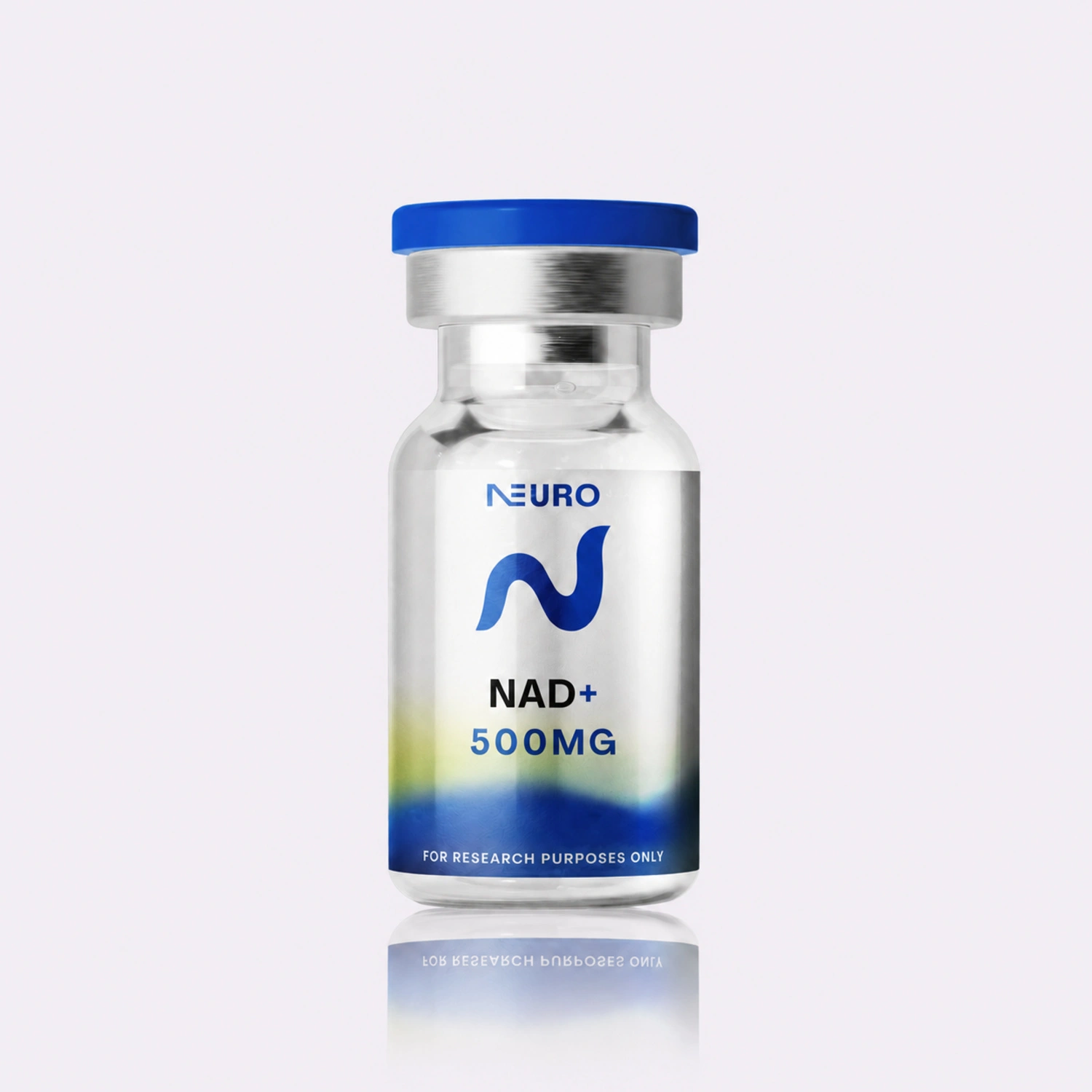
NAD+ 500mg is available at Neuro Peptides for laboratory research involving cellular metabolism, mitochondrial function, DNA repair, and age-related biological processes. Nicotinamide adenine dinucleotide (NAD+) is an essential coenzyme found in virtually all living cells. It plays a central role in cellular energy production and supports numerous enzymatic reactions required for normal cellular function.
NAD+ exists in two forms: its oxidized form (NAD+) and its reduced form (NADH). Through reversible oxidation and reduction reactions, these molecules transfer electrons between metabolic pathways. This activity is essential for processes such as glycolysis, the tricarboxylic acid (TCA) cycle, and oxidative phosphorylation, which contribute to cellular ATP production.
Beyond energy metabolism, NAD+ serves as a substrate for several important enzyme families, including sirtuins, poly(ADP-ribose) polymerases (PARPs), and CD38. These enzymes are involved in cellular signaling, DNA damage responses, protein regulation, and other processes associated with cellular homeostasis.
Research has shown that NAD+ availability can change with age, metabolic stress, and cellular damage. These findings have encouraged further investigation into NAD+ metabolism and its relationship with mitochondrial activity, genomic stability, and cellular aging.
The scientific importance of NAD+ is discussed in several published reviews, including NAD+ Metabolism and Its Roles in Cellular Processes during Ageing (Covarrubias et al., 2021) and NAD+ Homeostasis in Health and Disease (Katsyuba et al., 2020).
NAD+ 500mg from Neuro Peptides is supplied strictly for laboratory and scientific research. It is not intended for human or veterinary use, diagnosis, treatment, or consumption.
Product Specifications: NAD+ 500 mg
|
Specification
|
Details
|
|
Product Name
|
NAD+ 500 mg
|
|
Full Name
|
Nicotinamide Adenine Dinucleotide (Oxidized Form)
|
|
Abbreviation
|
NAD+
|
|
Product Type
|
Research-Grade Coenzyme
|
|
Quantity
|
500 mg per vial
|
|
Molecular Formula
|
C₂₁H₂₇N₇O₁₄P₂
|
|
Molecular Weight
|
663.43 g/mol (free acid form)
|
|
CAS Number
|
53-84-9
|
|
Appearance
|
White to off-white lyophilized powder
|
|
Grade
|
Research Grade
|
|
Solubility
|
Soluble in water; solubility may vary depending on the formulation
|
|
Research Applications
|
Laboratory studies involving cellular metabolism, mitochondrial function, redox reactions, and NAD+-dependent enzymatic processes
|
|
Storage Conditions
|
Store refrigerated at 2–8°C in a tightly sealed container, protected from moisture, heat, and direct light. Follow the manufacturer’s specific storage recommendations.
|
|
Intended Use
|
For laboratory research purposes only. Not intended for human or veterinary use.
|
What is NAD+?
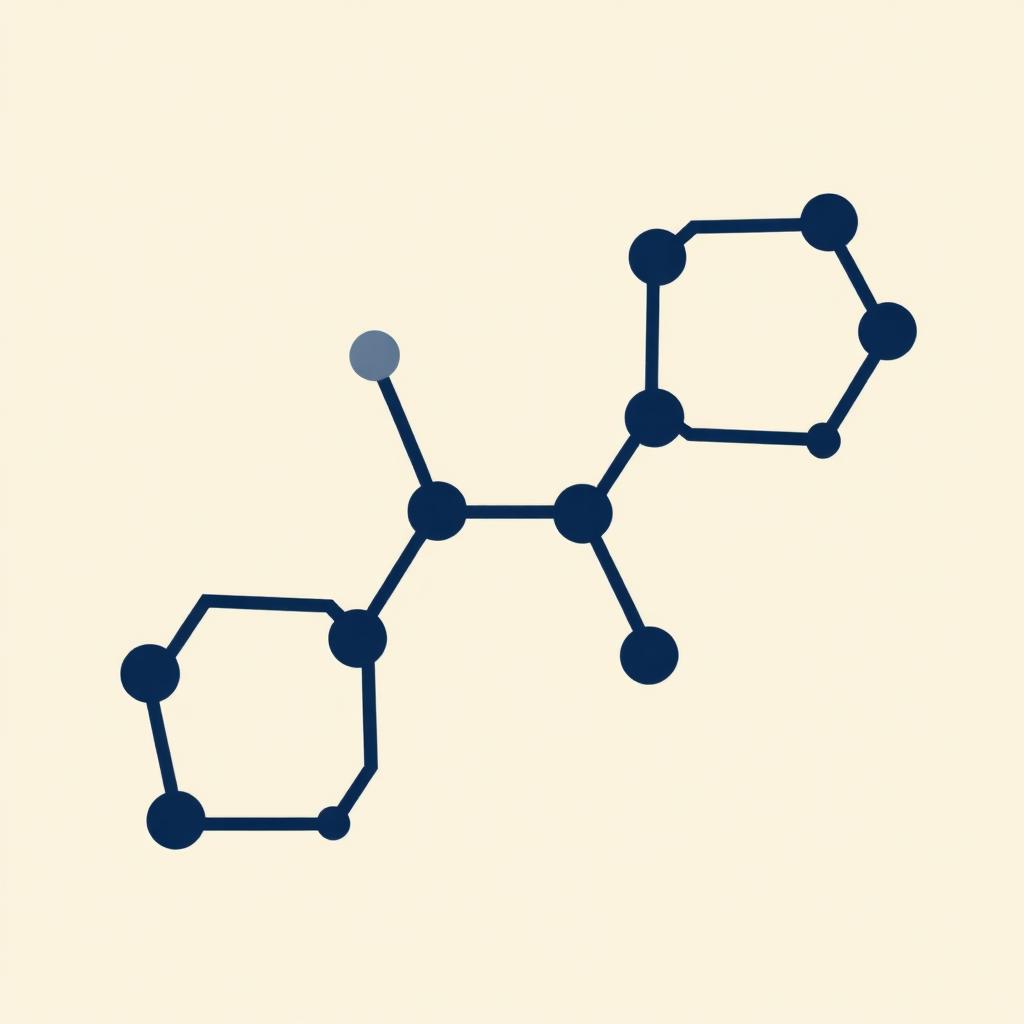
Nicotinamide Adenine Dinucleotide (NAD+) is one of the most important biological co-factors during the process of cellular metabolism. As the oxidized form of the coenzyme, NAD⁺ accepts electrons during metabolic reactions to form NADH. NAD⁺ gets involved in hundreds of chemical reactions that convert nutrients to adenosine triphosphate (ATP). ATP represents the main fuel for cells, as it provides them with energy. Along with its participation in metabolism, NAD+ works as a substrate for enzymes that regulate the processes of DNA repair, gene expression, oxidative stress, mitochondria, and cellular signaling.
In recent years, increased scientific attention to NAD+ has led to the development of research on aging, mitochondrial disorders, metabolic regulation, and cellular resistance. Due to that fact, NAD+ has become an essential substance for studying mechanisms responsible for cellular activity and metabolic balance. (Cantó et al. 2015; Covarrubias et al. 2021; Yoshino et al. 2018).
Mechanism of Action
The role of NAD+ is essentially in redox reactions in energy production in cells. The reaction that involves the transfer of electrons occurs through NAD+, and therefore, metabolic processes like glycolysis, the TCA cycle, and oxidative phosphorylation employ this method to generate ATP.
Apart from its role in metabolism, NAD+ is important in the proper functioning of enzymes like sirtuins, PARPs, and CD38. Enzymes regulate different functions in cells, from DNA repair to gene expression and mitochondrial biogenesis. It is a subject of ongoing research how the fluctuations in NAD+ level influence all these biological processes. (Cantó et al. 2015; Katsyuba et al. 2020; Covarrubias et al. 2021).
Research Applications
NAD+ 500 mg is among the most frequently used substances in scientific studies that seek to understand the basic workings of cell biology and metabolism. Some of the purposes for which NAD+ is normally used include:
- Cellular energy metabolism and ATP production
- Mitochondrial biology and bioenergetics
- Studies related to aging and longevity
- DNA repair pathways
- Oxidative stress and redox signaling
- Function of sirtuins and PARPs
- Cellular senescence
- Metabolic regulation and nutrient sensing
This list contains a few examples of the uses of NAD+ in scientific studies, but this does not mean that the substance is used for therapeutic purposes. (Covarrubias et al. 2021; Katsyuba et al. 2020; Yoshino et al. 2018; Verdin 2015).
Why Researchers Study NAD+ 500 mg
NAD+ has emerged as one of the most intensely researched molecules in contemporary biomedical science due to its presence in all forms of cellular metabolic processes. The researchers use NAD+ in the study of how cells generate energy, cope with the effects of stress, ensure genomic integrity, and regulate metabolic signaling among different organellar compartments.
The key role of NAD+ in mitochondrial processes and functions of NAD+-dependent enzymes also makes it an essential tool for studying the mechanisms underlying aging, metabolism, and resilience in cells. As the interest in the above-mentioned processes keeps growing within the scientific community, NAD+ can be considered an essential molecule for advancing life science research. (Covarrubias et al. 2021; Verdin 2015; Cantó et al. 2015).
Quality Standards
The accuracy of experimental data depends on the quality of the reagents. NAD+ 500 mg is produced by the methods of quality control that guarantee the integrity, identity, and purity of the product. Usually, every batch of the product is tested for its quality through the use of HPLC and mass spectrometry. It is highly recommended to study the Certificate of Analysis (COA) before running experimental studies. (
Storage and Handling
In order to keep the product stable, NAD+ must be stored based on laboratory guidelines. The lyophilized powder needs to be kept in its sealed container until use while being shielded from extreme heat, moisture, and direct exposure to sunlight.
Research Use Only Disclaimer
NAD+ 500 mg is designed to be used solely for research purposes in the laboratory and by trained professionals only. NAD+ 500 mg is not licensed for human or veterinary use and is not designed to be used in diagnosing, treating, curing, or preventing any diseases or conditions.
References
- Cantó, C., Menzies, K. J., & Auwerx, J. (2015). NAD+ metabolism and the control of energy homeostasis: a balancing act between mitochondria and the nucleus. Cell metabolism, 22(1), 31-53.
- Covarrubias, A. J., Perrone, R., Grozio, A., & Verdin, E. (2021). NAD+ metabolism and its roles in cellular processes during ageing. Nature Reviews Molecular Cell Biology, 22(2), 119-141.
- Katsyuba, E., Romani, M., Hofer, D., & Auwerx, J. (2020). NAD+ homeostasis in health and disease. Nature Metabolism, 2(1), 9-31.
- Verdin, E. (2015). NAD+ in aging, metabolism, and neurodegeneration. Science, 350(6265), 1208-1213.
- Yoshino, J., Baur, J. A., & Imai, S. I. (2018). NAD+ intermediates: the biology and therapeutic potential of NMN and NR. Cell Metabolism, 27(3), 513-528.